Tips to Enhance Used Oil Distillation Plants’ Operating Profits
Discover how to boost profitability in your used oil recycling plant with thermal efficiency, continuous feeding, high vacuum stability & EPC delivery. Maximize ROI now.

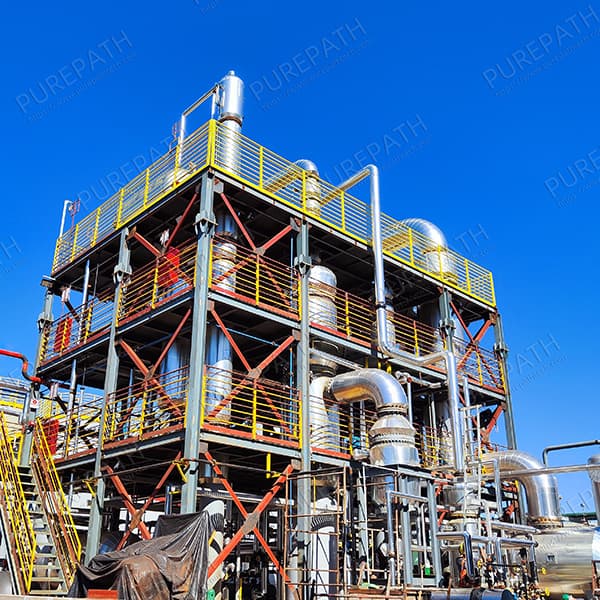
Discover how to boost profitability in your used oil recycling plant with thermal efficiency, continuous feeding, high vacuum stability & EPC delivery. Maximize ROI now.
Home / Literatures In 2026, the world energy scene is marked by an odd mix of lots of supply and unstable politics. The crude oil price keeps going up and down in unpredictable ways because of regional conflicts and changing trade alliances. This is happening while industries try to keep their operational margins. These changes directly…
Home / Literatures March of 2026 has ushered in a new set of uncertainties to the global energy markets stemming from new geopolitical realities. With military actions in the Middle East and the operational closure of the Strait of Hormuz, Brent crude oil prices have crossed the $110 per barrel mark, the first time in 4…

For the big industrial investors, the story has changed. The establishment of a high-capacity used oil recycling plant is no longer merely seen as the “green” thing to do; it is now seen as a way to protect oneself from the fractured world oil market.
IIn the global refining industry, in the year 2026, environmental regulations are very stringent. The sulfur content in the fuels used in transportation should be below 10 ppm, according to the Euro VI and Tier 4 specifications. The naphtha hydrotreating unit is a key part in the overall configuration, driven by the need for this process, which is no longer just a compliance issue, but a necessity to avoid poisoning the downstream catalytic reformer and isomerization units.

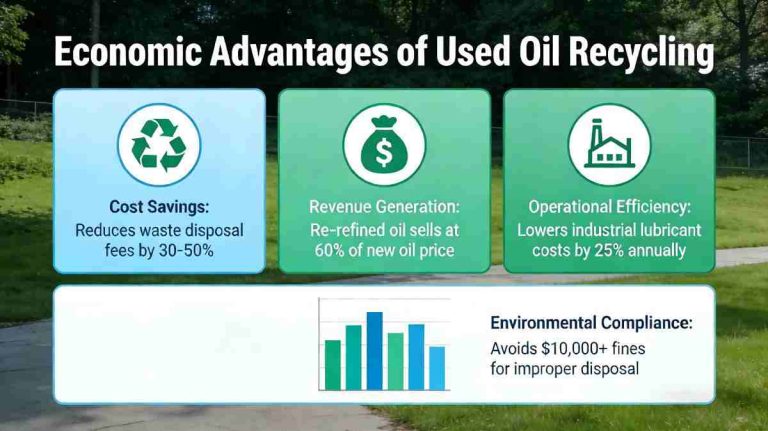
If you’re in the used oil recycling business, then you already know that the “spread” between the cost of the waste oil and the price received for the base oil is only half the battle. The real profit is made or lost in the tiny details of the operation. High operating costs, frequent catalyst changes, or a 5% decrease in yield can destroy any profit margin in a hurry, much faster than any changes in the market can affect it.
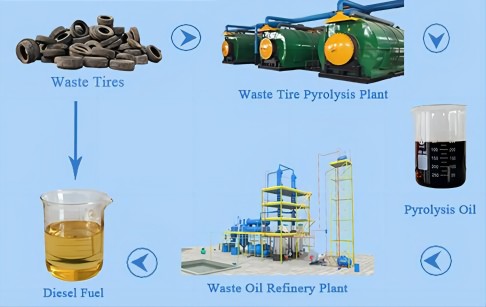
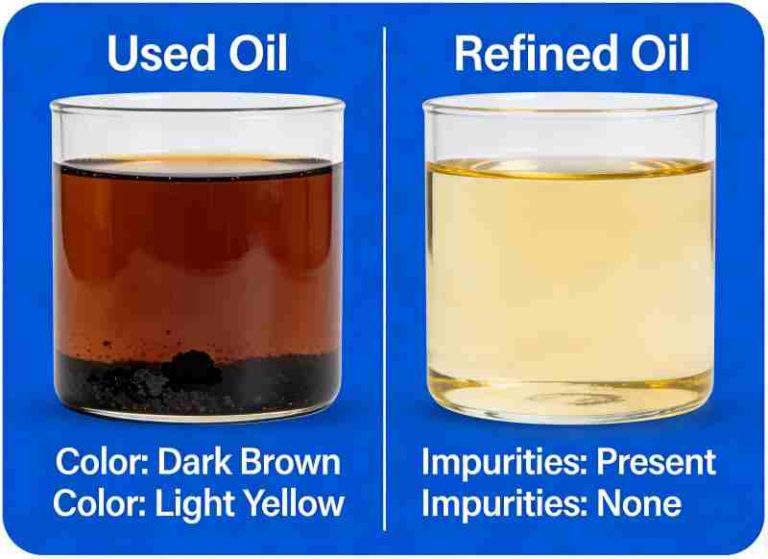
The modern industrial and automotive sectors generate substantial quantities of used oil annually. This waste stream, encompassing spent lubricating oils, hydraulic fluids, and industrial process oils, poses significant environmental challenges if not managed responsibly.
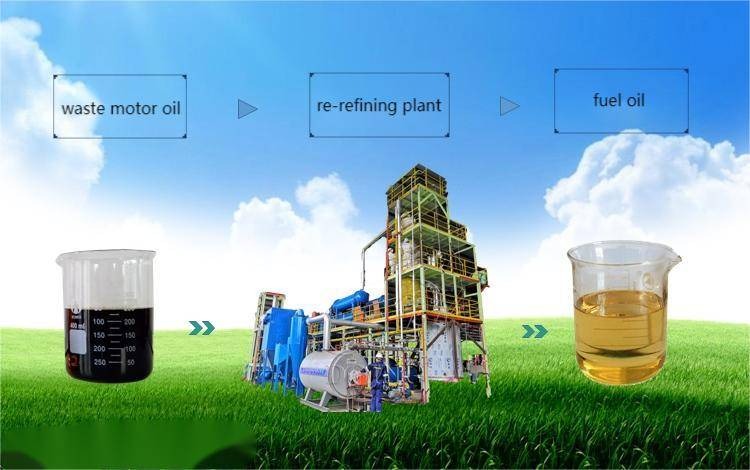
Oil for machines = recyclable.
Oil for food =recyclable.
Oil mixed with chemicals = not recyclable (special hazardous waste).
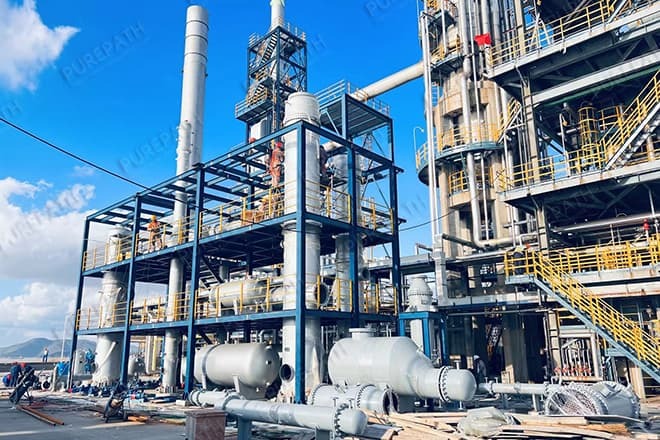
most communities already have free oil recycling programs. You don’t need to drive miles away or pay extra fees
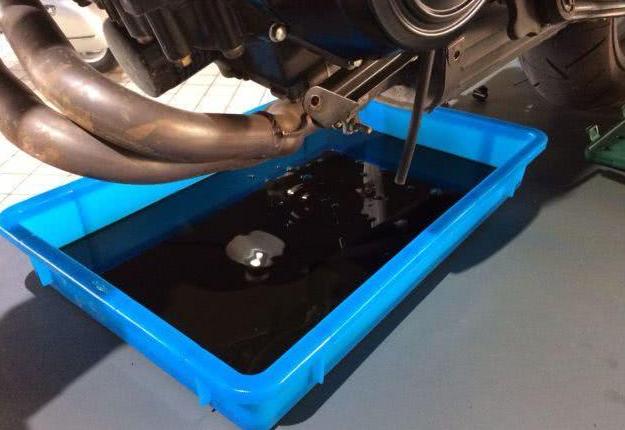
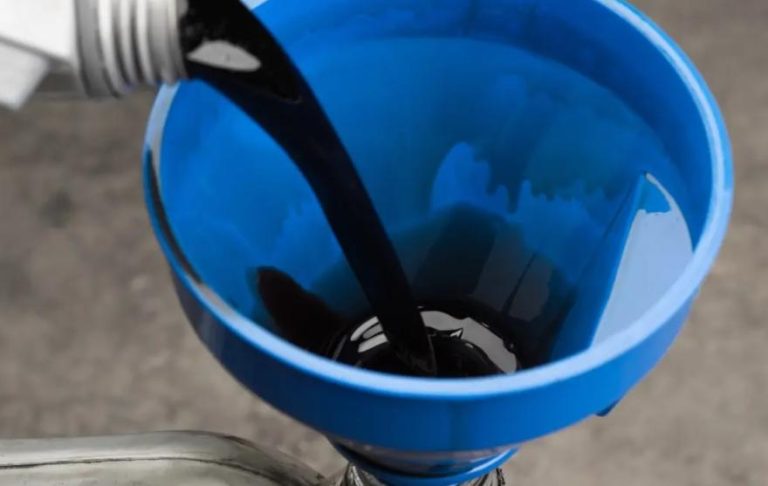
Disposing of used motor oil the right way protects the environment and keeps you on the right side of the law. Used engine oil contains nasty chemicals and heavy metals that pollute soil and water, harming fish and birds if it is carelessly disposed of. The good news is that recycling the stuff is quick, easy, and friendly to the planet. In this guide, we’ll explain why neat disposal counts, how to store the oil, where to take it, what mistakes to dodge, and the basics of how it gets turned into new products.
End of content
End of content


 English English
  العربية
  简体中文
简体中文  繁體中文
繁體中文  Nederlands
  Français
  Deutsch
  Eesti
Eesti  Ελληνικά
  Bahasa Indonesia
  Italiano
  日本語
日本語  한국어
한국어  Latin
Latin  Монгол
  Português
  Русский
  Español
  ไทย
ไทย  Turkmen
  Tiếng Việt
  हिन्दी English English العربية
简体中文
繁體中文
Nederlands
Français
Deutsch
Eesti
Ελληνικά
Bahasa Indonesia
Italiano
日本語
한국어
Latin
Монгол
Português
Русский
Español
ไทย
Turkmen
Tiếng Việt
हिन्दी
हिन्दी English English العربية
简体中文
繁體中文
Nederlands
Français
Deutsch
Eesti
Ελληνικά
Bahasa Indonesia
Italiano
日本語
한국어
Latin
Монгол
Português
Русский
Español
ไทย
Turkmen
Tiếng Việt
हिन्दी
This website uses cookies so that we can provide you with the best user experience possible. Cookie information is stored in your browser and performs functions such as recognising you when you return to our website and helping our team to understand which sections of the website you find most interesting and useful.
Strictly Necessary Cookie should be enabled at all times so that we can save your preferences for cookie settings.
If you disable this cookie, we will not be able to save your preferences. This means that every time you visit this website you will need to enable or disable cookies again.