Tips to Enhance Used Oil Distillation Plants’ Operating Profits
Discover how to boost profitability in your used oil recycling plant with thermal efficiency, continuous feeding, high vacuum stability & EPC delivery. Maximize ROI now.

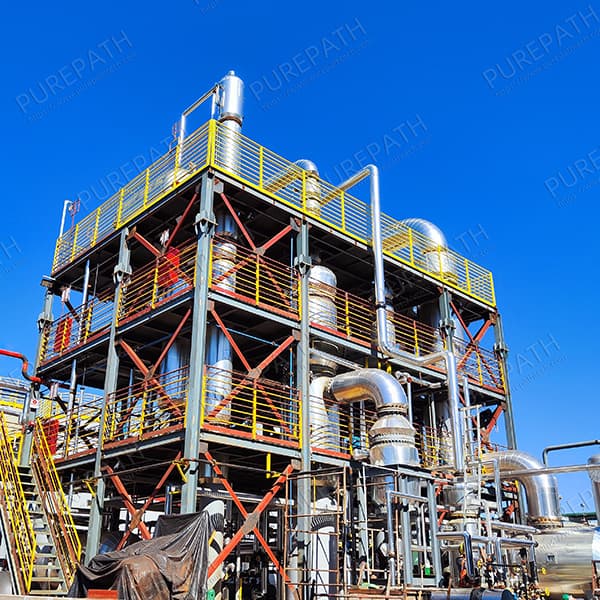
Discover how to boost profitability in your used oil recycling plant with thermal efficiency, continuous feeding, high vacuum stability & EPC delivery. Maximize ROI now.
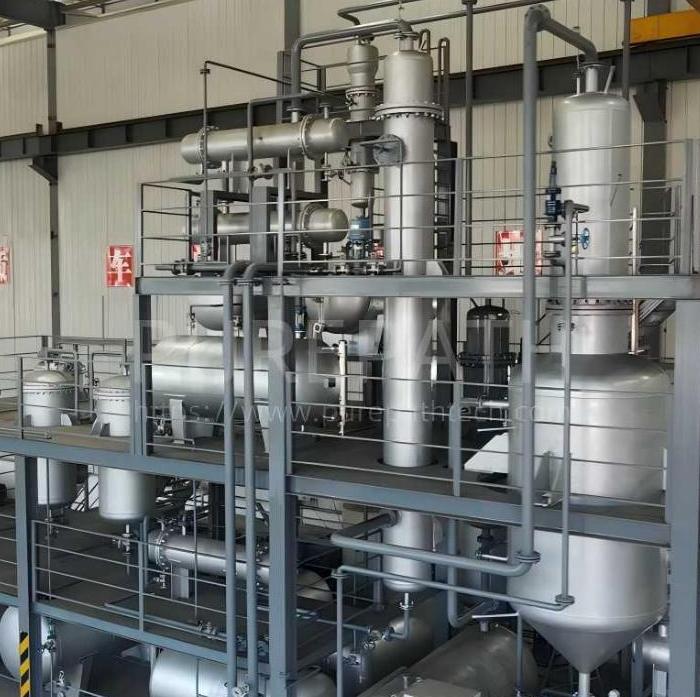
Planning a used oil plant investment? These 5 mistakes sink ROI faster than anything. Feedstock analysis. Capacity. Suppliers. Read this first.
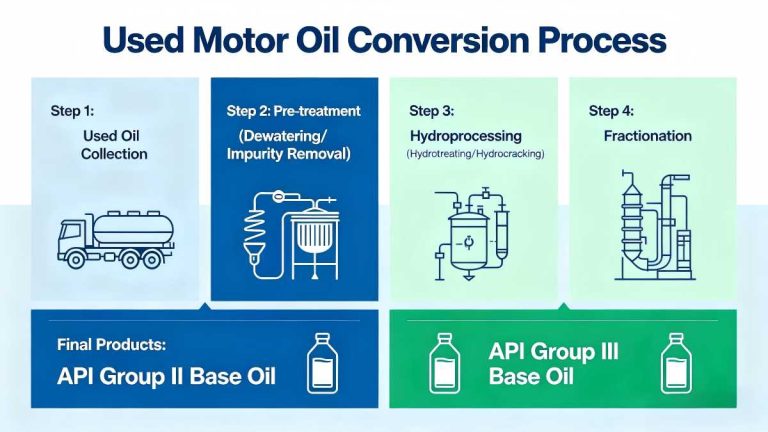
Home / Literatures The traditional perception of used lubricant management—often viewed merely as a hazardous waste disposal hurdle—is rapidly obsolescing. Driven by global mandates for Extended Producer Responsibility (EPR) and the imperative of decarbonization, the industrial sector is witnessing a paradigm shift. Waste oil is no longer a liability; it is “liquid gold.” This content…
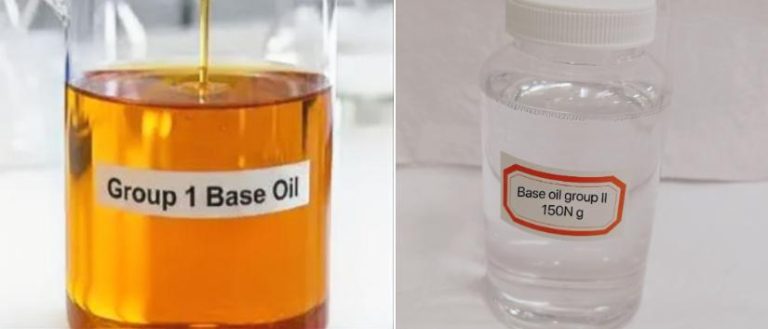
However, this is the truth: you will not be able to achieve Group II requirements merely by “adjusting” your basic distillation technology. Your whole approach should be different regarding vacuum pressure and temperature control.
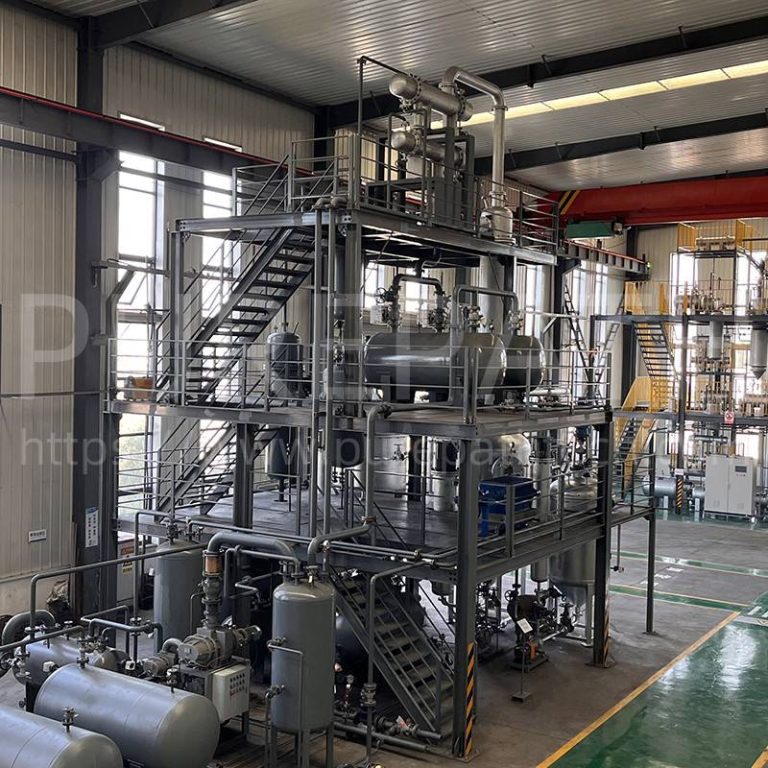
Home / Literatures As the global circular economy grows, carbon neutrality goals are set, and waste plastic and waste oil recycling grows quickly, waste oil and pyrolysis oil co-refining has become one of the most useful and valuable technical paths in the modern waste-to-energy and waste oil regeneration industry. Single-feedstock refining plants that have been around for a…
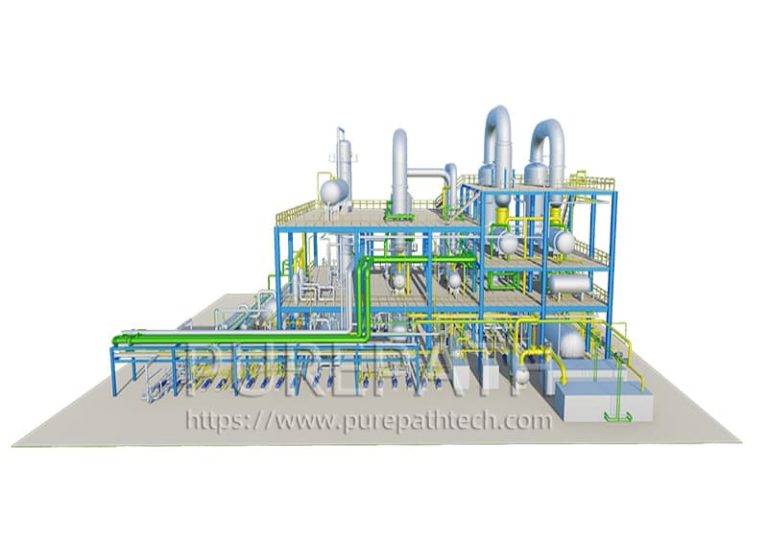
In this blog, we will discuss three industrial processes for sulfur removal from used oil: Hydrodesulfurization, Oxidative Desulfurization, and the Adsorption process.
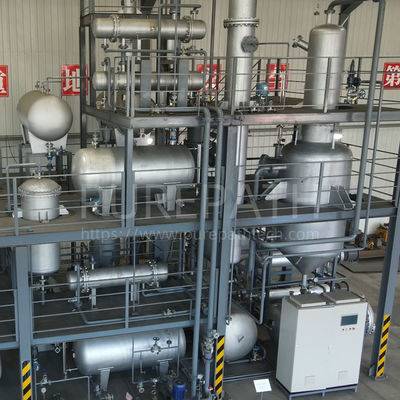
Home / Literatures The worldwide waste oil recycling sector is experiencing fundamental changes because environmental regulations require compliance, which has created a greater need for premium lubricants and fuels. For operators of waste oil distillation plants, the primary challenge has moved from basic processing to meeting specific international compliance standards. The market worth of products and…
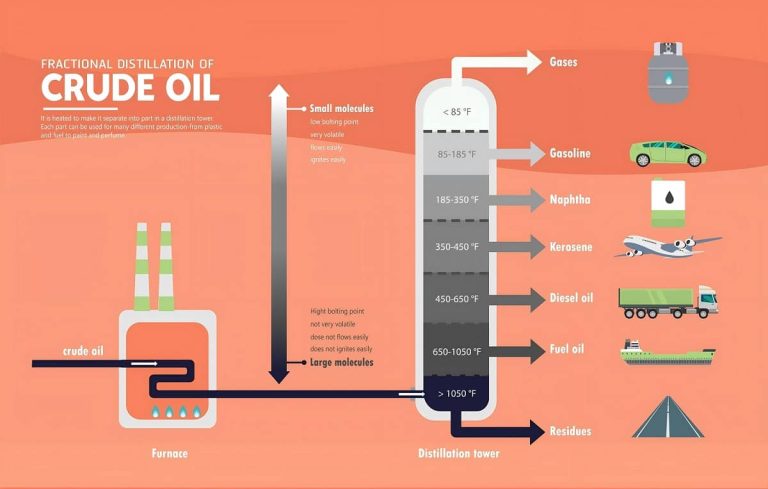
Home / Literatures The crude oil distillation unit is the very first unit in a petroleum refinery. It is responsible for processing raw crude oil and separating its components based on their boiling points. This unit remains the most energy-intensive unit in the refinery as of March 2026, consuming about 35 to 45% of all energy…
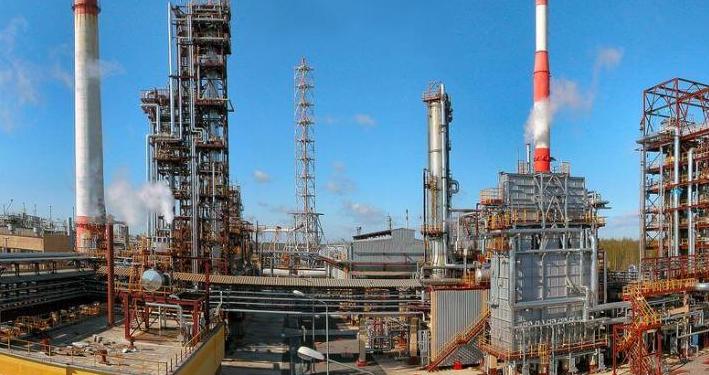
In this blog, we examine the process of transforming “black oil” into a useful product by means of a powerful plant for waste oil refining.
The world refining landscape for the year 2026 can be described by two key factors: high capital cost requirements and market volatility. The traditional method of building a refinery, also called “stick-built” construction, where years of construction work are required and where cost overruns can be unpredictable, is no longer applicable for small- to medium-scale refining projects. Today, the move towards EPC (Engineering, Procurement, and Construction) turnkey modular refineries is driven by the need for financial and technical flexibility.
End of content
End of content


This website uses cookies so that we can provide you with the best user experience possible. Cookie information is stored in your browser and performs functions such as recognising you when you return to our website and helping our team to understand which sections of the website you find most interesting and useful.
Strictly Necessary Cookie should be enabled at all times so that we can save your preferences for cookie settings.
If you disable this cookie, we will not be able to save your preferences. This means that every time you visit this website you will need to enable or disable cookies again.